The Architecture of Restraint

An exploration of why we choose what to leave out to ensure every project holds value over time.
The value of a clear brief
A project becomes stronger when its first decisions are specific. Not a broad promise to be premium, but a clear understanding of how people will arrive, move through a home, rest, host and leave again. That clarity gives every later decision a purpose.
At Criterion Homes, we start by asking what must genuinely earn its place. The answer is rarely more decoration or more rooms. It is often better light, a calmer sequence through the plan, useful storage, durable material choices and a structure that can support the life built around it.
What restraint asks of a home
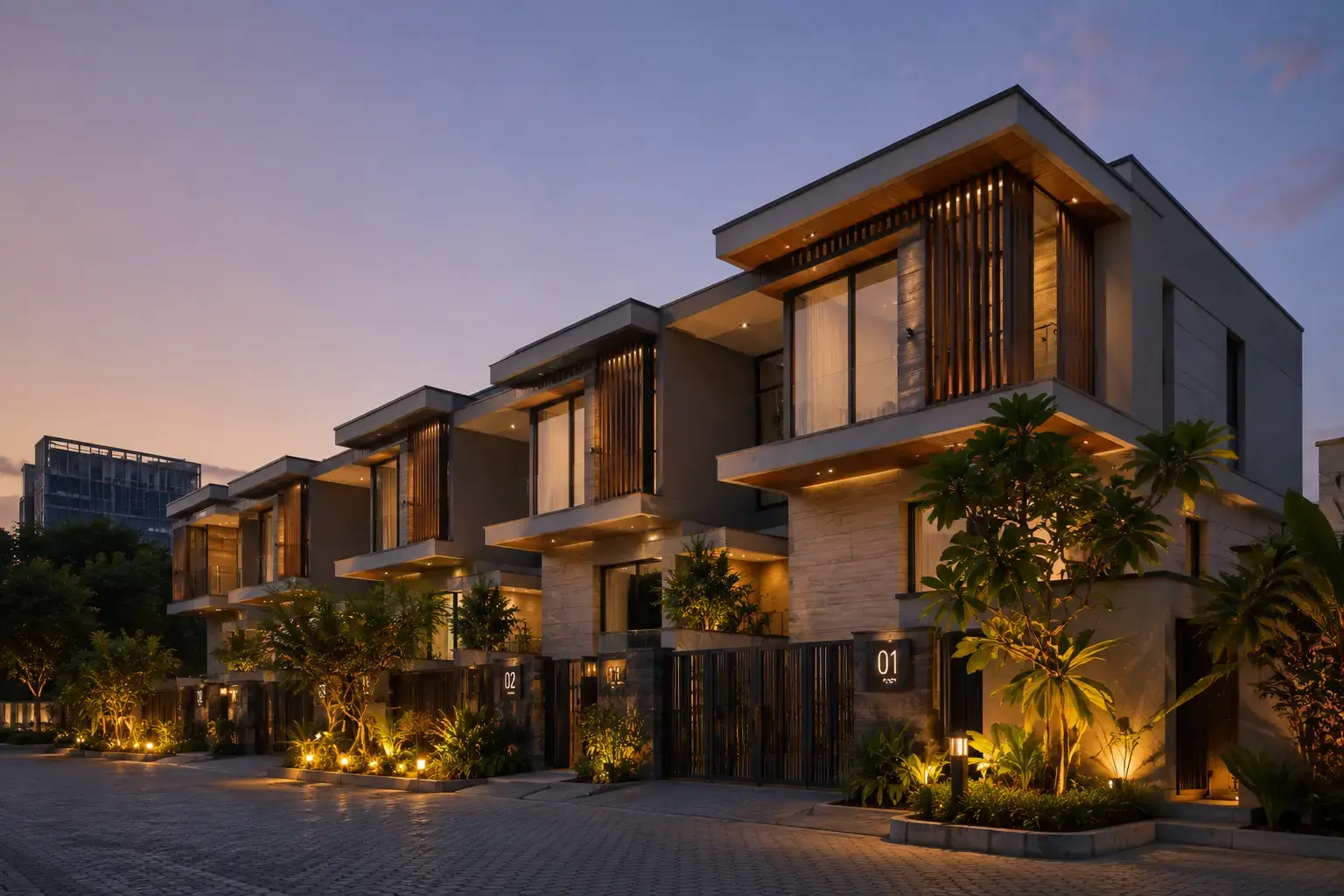
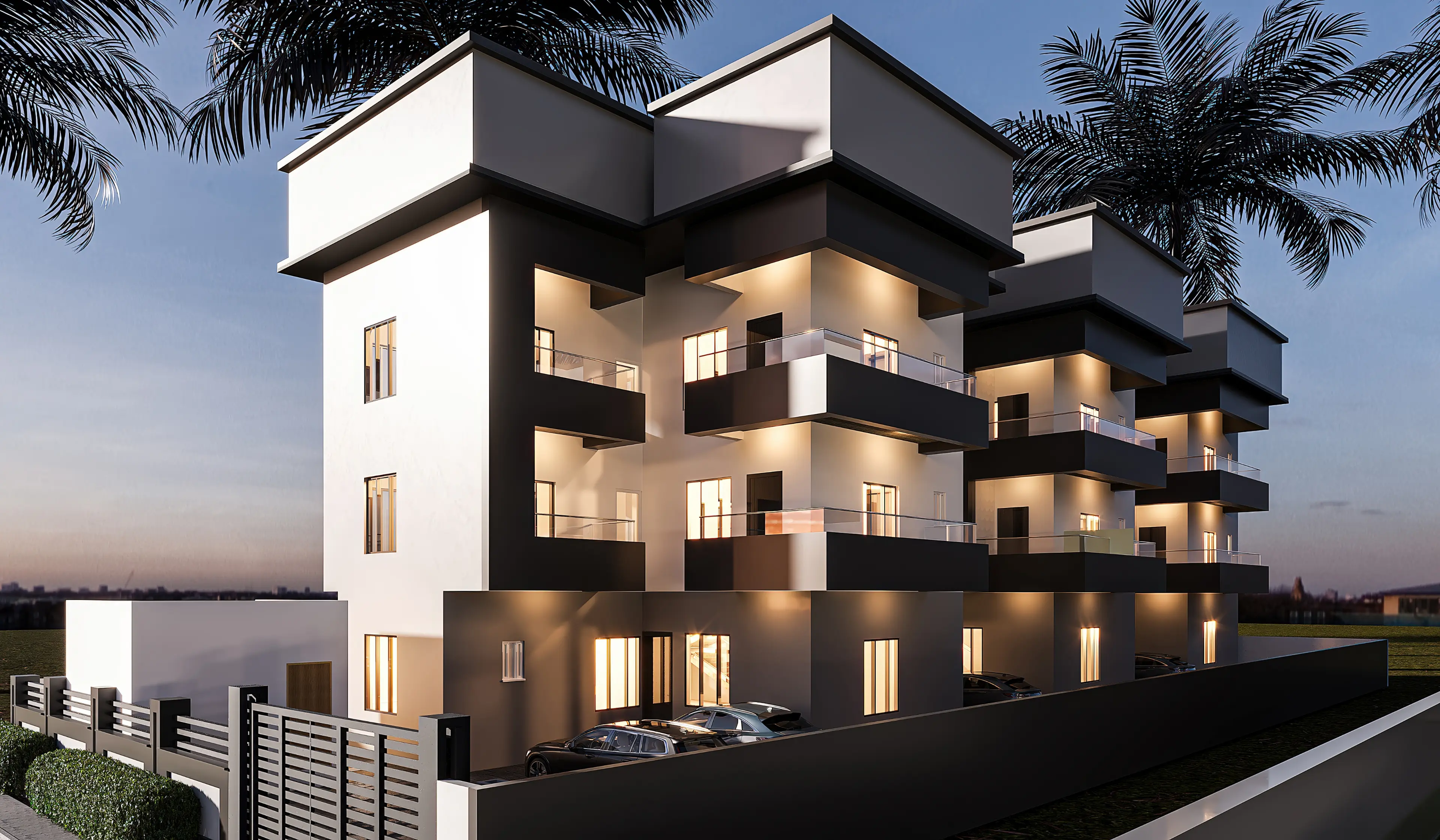
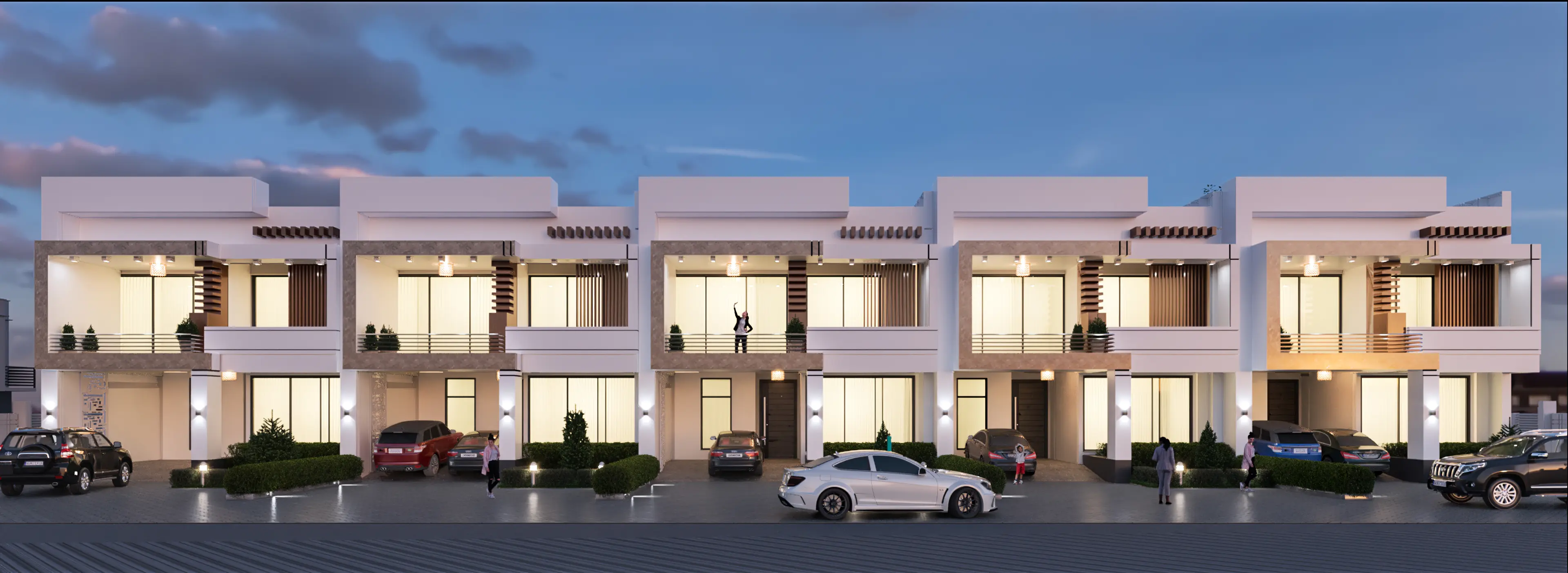
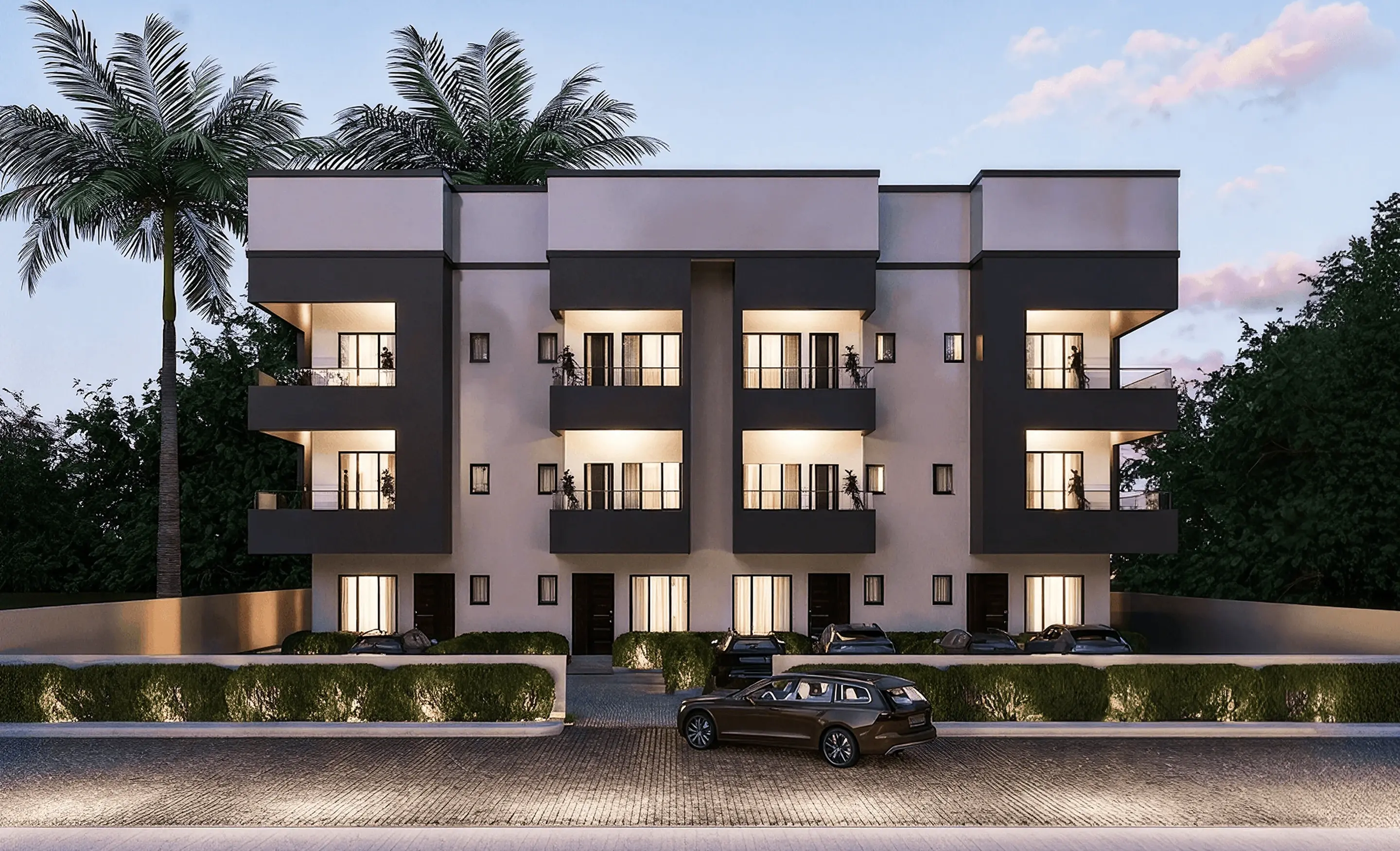
Restraint is not absence. It is the discipline to let proportion, daylight and material do their work without competing for attention. A restrained home should still feel generous, but its generosity comes from space that is considered rather than simply filled.
This approach also asks us to think beyond the first impression. Details that age with dignity, circulation that remains practical and facades that are composed rather than fashionable all matter more over time than an isolated visual gesture.
A longer horizon
The best measure of a development is not the day it launches. It is how confidently it is lived in years later. That is why we prefer fewer, better-resolved decisions: they leave room for a home to become personal while preserving the quality that made it valuable in the first place.
Architecture of restraint is, ultimately, a commitment to the long view. It is how we make places that remain composed, useful and worth returning to.